

Indore: The Federation of Press Clubs has called for the creation of a structured mechanism to provide free legal aid to journalists, particularly independent journalists and those working without the backing of established media organisations, as part of efforts to strengthen free speech and support journalists reporting from the ground.
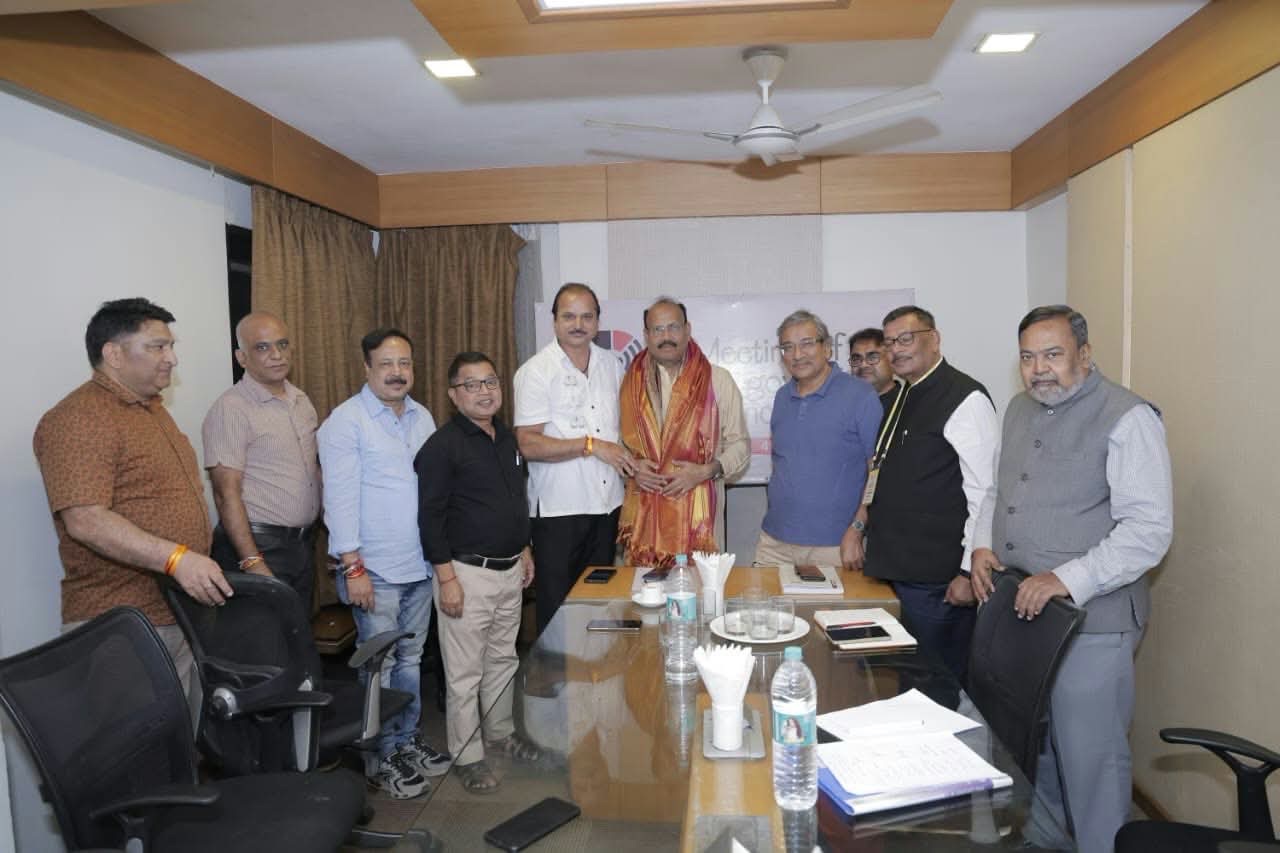
The decision was taken at the Governing Council meeting of the Federation of Press Clubs held in Indore, alongside a special session on the role of language and regional media in strengthening free speech. The session was part of the three-day Bharatiya Patrakarita Mahotsav, organised by the Madhya Pradesh State Press Club in Indore from October 2 to 4.
The concluding session of the festival brought together journalists and other stakeholders from across the country to discuss ground-level reporting, the challenges faced by journalists and the continuing role of regional and language media in sustaining free speech and remaining connected with people.
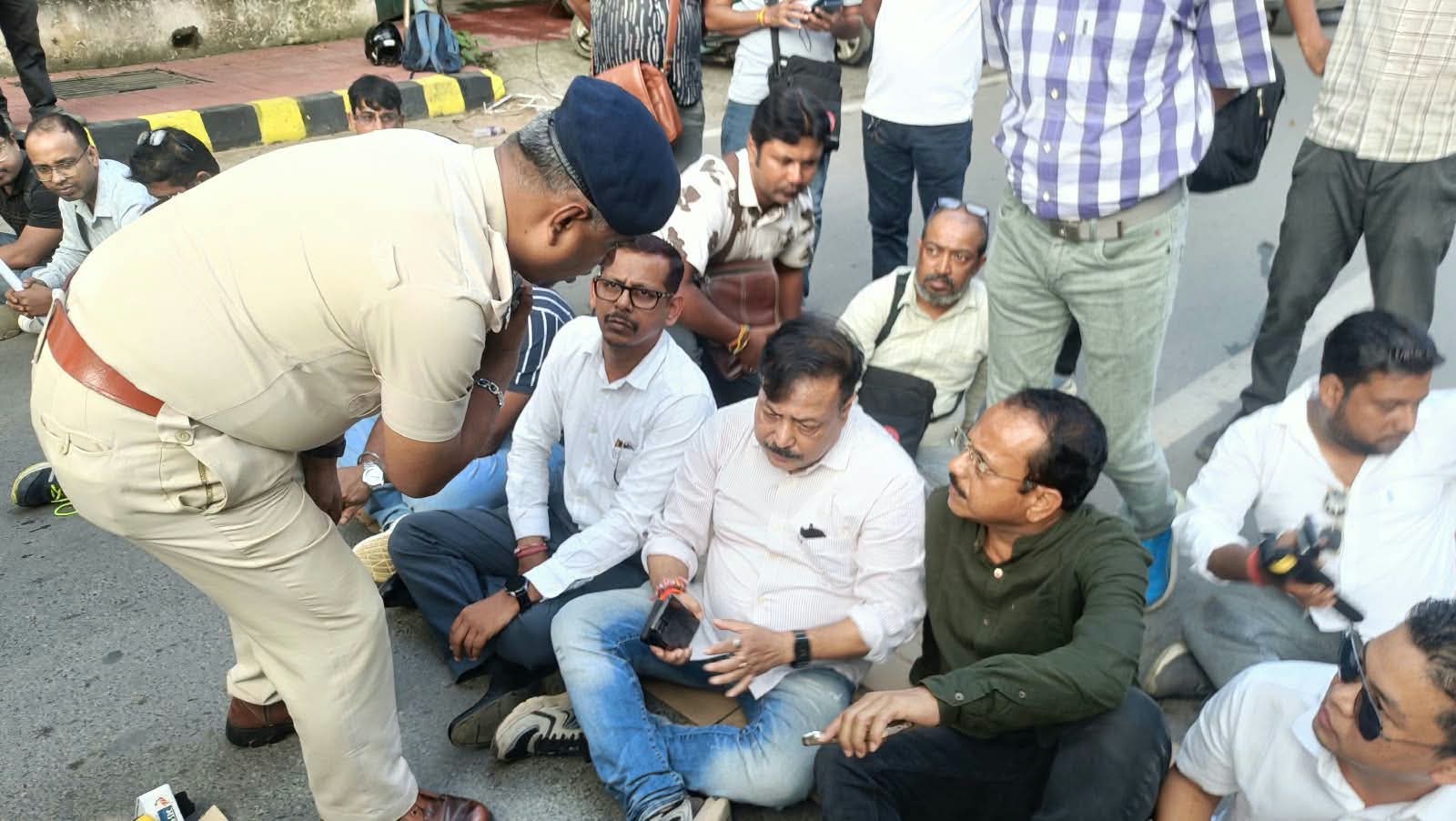
Two journalists from Bhind, Amarkant Chauhan and Shashikant Goel, spoke about the challenges of reporting from the ground without fear or favour. Referring to their own experiences, they also spoke about the support extended to them by the Press Club of India and the Madhya Pradesh State Press Club, including assistance in accessing free legal support in connection with matters arising from their journalistic work.
Their remarks highlighted the importance of institutional support for journalists working at the ground level, particularly when they face legal or other challenges in the course of their professional responsibilities. The matters referred to by the journalists are currently sub judice, and no conclusion was drawn at the session regarding the merits of those proceedings.
Addressing the session, Gautam Lahiri, President of the Federation of Press Clubs, underlined the need for a free legal support system for journalists, especially independent journalists who often have little or no institutional backing. He said journalists reporting on issues concerning ordinary citizens must have access to legal assistance when they face challenges in the course of their professional work.
Rajshree Rai, Editor-in-Chief of APN Channel and associated with India Legal, extended support for providing free legal assistance to journalists and backed the Federation’s initiative.
Pradeep Rai, President of the Supreme Court Bar Association, welcomed the initiative and highlighted the important role of the legal system in protecting free speech and enabling journalists to discharge their responsibilities without fear.
The session also focused on the significant contribution of regional and language media to public discourse.
Snehashish Sur, President of the Kolkata Press Club, spoke about the continuing relevance of regional media in India. He pointed out that, unlike in several parts of the world where print media has faced a decline, print journalism continues to have a strong presence in India. He emphasised that language newspapers, including Hindi publications, remain closely connected with people and continue to raise issues from the ground.
Praveen Kumar Khariwal, President of the Madhya Pradesh State Press Club, highlighted the role of Hindi journalism in reaching the common man and bringing people’s concerns and issues into the public domain.
Saurabh Duggal, President of the Chandigarh Press, emphasised the importance of Press Clubs as institutions that stand up for the rights and interests of journalists. He said regional media continues to play an important role in keeping people’s trust in journalism alive, particularly at a time when independent and ground-level reporting faces increasing challenges.
Journalists Shaheen Khan and Nafisa Khan, associated with 4PM News Network, spoke about “The Challenges of Being a Woman Journalist”, sharing the difficulties women journalists encounter while reporting from the ground.
Seasoned journalist Shravan Garg, former National Editor of Dainik Bhaskar, stressed the fundamental responsibility of journalists to remain committed to truth and facts. He said journalism must present facts without bias or political motivation and emphasised that the credibility of journalism depends on its commitment to truth. In his concluding remarks, he welcomed the Federation’s initiative to strengthen support for the media fraternity.
The Federation of Press Clubs, a collective platform of eight founding Press Clubs from across the country, reiterated its commitment to strengthening institutional support for journalists. The proposed legal-aid mechanism is aimed particularly at journalists who work independently or have limited institutional support and may otherwise find themselves vulnerable when faced with legal proceedings.
The initiative seeks to reinforce the principle that free speech can be meaningful only when journalists have the freedom, institutional support and legal assistance necessary to report from the ground.